5 Ways the Pillars of Islam Bring Structure and Peace to Your Day
In today’s fast-paced, hyper-connected world, finding genuine peace and structure can feel like an impossible task. Between demanding careers, family responsibilities, and the constant noise of social media, modern life often leaves us feeling fragmented, anxious, and spiritually drained. We chase productivity, yet we rarely find true fulfillment.
But what if there was a timeless, divinely designed framework that could bring order to the chaos and tranquility to the soul?
For over a billion Muslims worldwide, that framework is the Five Pillars of Islam. These are not merely ritualistic obligations; they are a holistic, integrated system designed to nurture the mind, body, and soul. When understood and applied correctly, the Five Pillars act as a spiritual anchor, providing a daily rhythm that fosters mindfulness, gratitude, and profound inner peace.
Whether you are a new Muslim seeking to build a strong foundation, a lifelong Muslim looking to reconnect with the essence of your faith, or simply someone curious about how Islamic practices promote mental and spiritual well-being, this guide is for you.
In this comprehensive article, we will explore 5 ways the Pillars of Islam bring structure and peace to your day, and how you can begin this transformative journey today with the help of resources like the Islamic Fundamental: 5 Pillars course at Risalah TV Academy.
Understanding the Foundation: What Are the 5 Pillars of Islam?
Before diving into the practical benefits, it is essential to understand what the Five Pillars are. In Arabic, they are known as Arkan al-Islam. They form the core beliefs and practices that every Muslim is expected to uphold. Think of them as the load-bearing walls of a house; without them, the structure of a Muslim’s faith cannot stand.
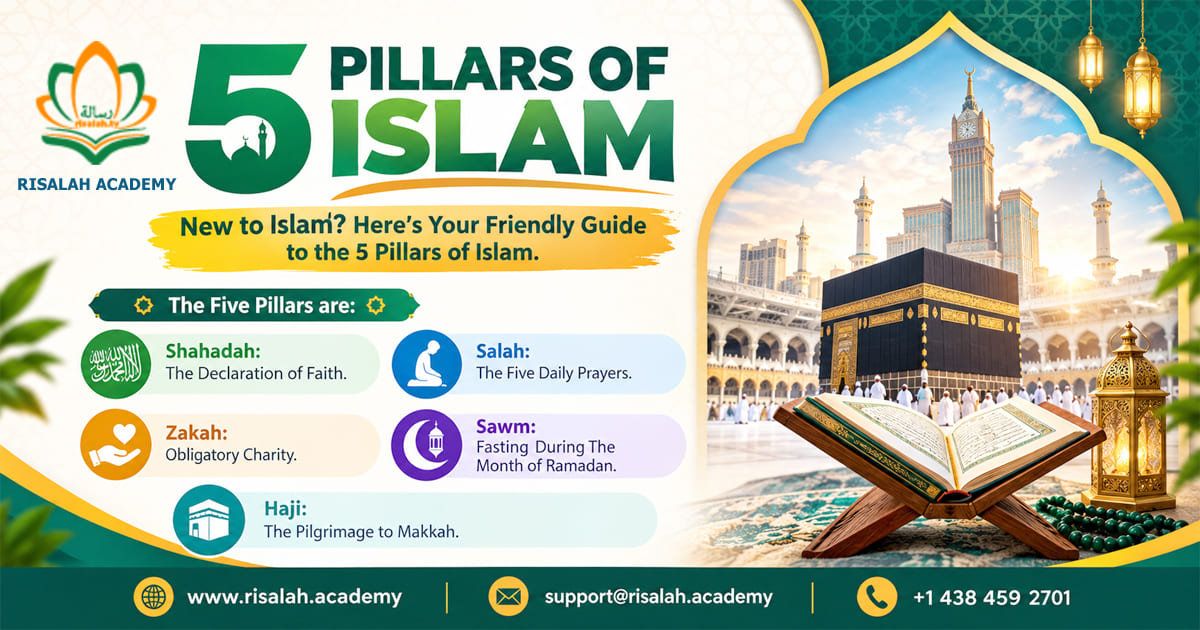
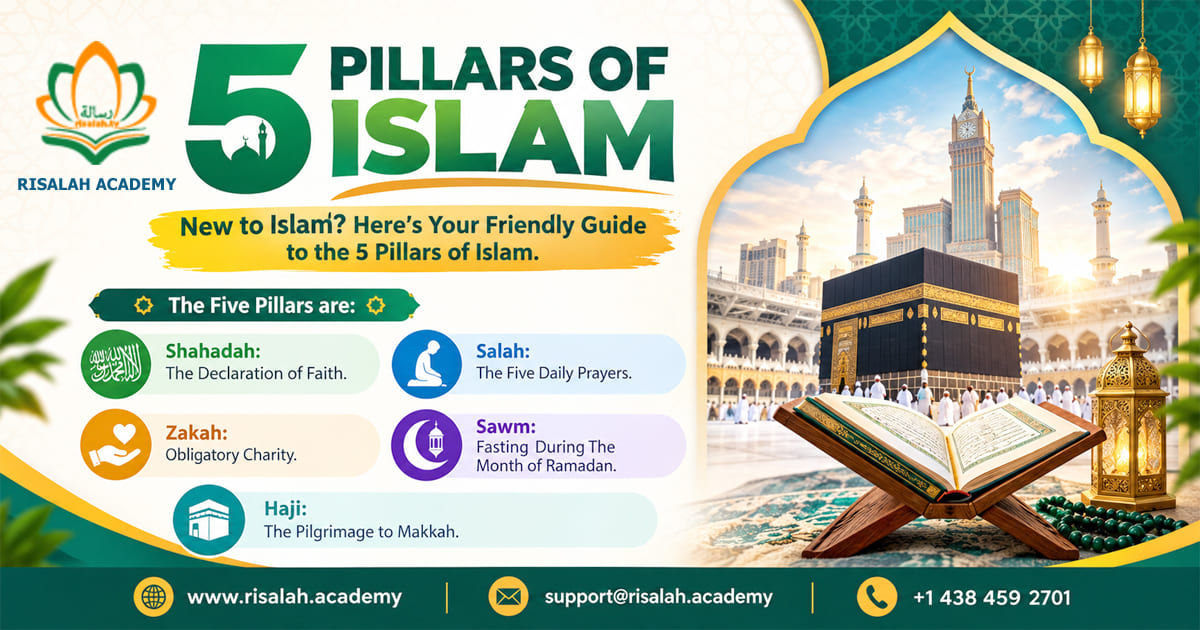
The Five Pillars are:
- Shahadah (Faith): The sincere declaration that there is no god but Allah, and Muhammad (ﷺ) is His final messenger.
- Salah (Prayer): The performance of five obligatory daily prayers at specific times.
- Zakah (Charity): The mandatory giving of a fixed portion of one’s wealth to those in need, purifying both the wealth and the giver.
- Sawm (Fasting): Abstaining from food, drink, and other physical needs from dawn to sunset during the holy month of Ramadan.
- Hajj (Pilgrimage): The journey to the holy city of Makkah, required once in a lifetime for those who are physically and financially able.
These pillars are not isolated acts of worship. They are deeply interconnected, designed to shape a Muslim’s character, routine, and relationship with the Creator and the creation. Let’s explore exactly how each pillar injects structure and peace into our daily lives.
1. Shahadah: The Anchor of Purpose and Mental Clarity
The Pillar: La ilaha illallah, Muhammadur Rasulullah (There is no deity worthy of worship except Allah, and Muhammad is the Messenger of Allah).
How It Brings Peace:
The Shahadah is the foundation of Islamic belief, centered on the concept of Tawheed (the absolute oneness of God). In a world that constantly demands our allegiance—to our careers, our bank accounts, our social status, or even our own egos—the Shahadah serves as a powerful mental and spiritual reset.
When you internalize the Shahadah, you acknowledge that there is only one ultimate authority. This realization is incredibly liberating. It frees you from the anxiety of trying to please everyone or the fear of worldly failures. If you lose a job, face a setback, or experience rejection, the Shahadah reminds you that your ultimate worth and sustenance come from Allah alone.
How It Brings Structure:
The Shahadah provides a clear "why" for every action. It acts as a moral compass. Before making a decision, a Muslim guided by the Shahadah asks: Does this align with the guidance of Allah and His Messenger (ﷺ)? This simple internal filter structures your choices, helping you avoid toxic relationships, unethical business practices, and time-wasting habits. It transforms mundane daily tasks into acts of worship when done with the right intention (Niyyah).
2. Salah: The Ultimate Daily Reset for Mind and Soul
The Pillar: Performing the five daily prayers (Fajr, Dhuhr, Asr, Maghrib, and Isha).
How It Brings Peace:
Modern psychology heavily promotes mindfulness, meditation, and taking regular breaks to prevent burnout. Islam prescribed this exact system over 1,400 years ago through Salah.
The five daily prayers are strategically spaced throughout the day, acting as spiritual appointments that interrupt the chaos of worldly life.
- Fajr (Dawn): Starts the day with gratitude and tranquility before the world wakes up, setting a positive, proactive tone.
- Dhuhr (Midday): Offers a much-needed mental break during the peak of work or school stress, allowing you to step away from screens and reconnect with your Creator.
- Asr (Afternoon): A moment of reflection as the day winds down, preventing the late-afternoon slump and re-energizing your focus.
- Maghrib (Sunset): A time to express gratitude for the day that has passed and seek forgiveness for any shortcomings.
- Isha (Night): Provides closure to the day, allowing you to unload your worries before sleep, leading to better, more peaceful rest.
Furthermore, the prerequisite of Wudu (ablution) before prayer is a form of physical and mental hydrotherapy. The act of washing the face, hands, and feet with cool water literally and symbolically washes away minor sins and daily stress, preparing the mind for focused devotion.
How It Brings Structure:
Salah dictates the rhythm of a Muslim’s day. Instead of structuring your day around work and squeezing in prayer, a practicing Muslim structures their work and life around their prayer times. This creates a highly disciplined, predictable, and balanced routine. It prevents the day from slipping away unproductively and ensures that no matter how busy life gets, you are guaranteed at least five moments of absolute peace and connection with Allah.
3. Zakah: Cultivating Generosity and Financial Peace of Mind
The Pillar: Giving 2.5% of one’s accumulated, unused wealth annually to eligible recipients.
How It Brings Peace:
Financial anxiety is one of the leading causes of stress in the modern world. We are often conditioned to hoard wealth, fearing scarcity. Zakah flips this narrative entirely. It is not merely a "tax"; the Arabic root of Zakah means "to purify" and "to grow."
By giving away a portion of your wealth, you purify the remainder from greed, selfishness, and attachment to materialism. Psychologically, the act of giving triggers the release of endorphins (often called the "helper’s high"). Knowing that you have fulfilled your obligation to Allah and helped someone in need brings a profound sense of relief and contentment (Qana'ah). It shifts your mindset from "What can I get?" to "What can I give?", which is a cornerstone of lasting happiness.
How It Brings Structure:
Zakah introduces financial discipline. To calculate Zakah accurately, a Muslim must keep track of their income, savings, and assets. This necessitates regular financial check-ins, budgeting, and conscious spending. It structures your financial life, preventing reckless accumulation and encouraging a healthy, balanced relationship with money. On a societal level, Zakah structures a community safety net, reducing poverty and the social unrest that comes with it, thereby creating a more peaceful environment for everyone.
4. Sawm (Fasting): Mastering Self-Discipline and Emotional Regulation
The Pillar: Fasting from dawn to sunset during the month of Ramadan, abstaining from food, drink, and marital relations.
How It Brings Peace:
We live in an era of instant gratification. We can get food delivered in minutes, stream entertainment on demand, and seek dopamine hits through endless scrolling. This constant overstimulation leads to mental fog, emotional volatility, and spiritual numbness.
Sawm is the ultimate spiritual and physical detox. By consciously denying the body its most basic needs (food and water) for the sake of Allah, you prove to yourself that you are not a slave to your desires. This builds Taqwa (God-consciousness), which acts as an emotional shield. When you can control your hunger and thirst, you are better equipped to control your anger, your tongue, and your impulses.
Fasting also cultivates deep empathy. Feeling the pangs of hunger fosters a genuine, heartfelt compassion for the less fortunate, replacing judgment with gratitude and kindness. This emotional regulation leads to a calmer, more patient, and peaceful demeanor.
How It Brings Structure:
Ramadan completely restructures the daily routine. Meals are limited to Suhoor (pre-dawn) and Iftar (sunset), which promotes intermittent fasting—a practice now widely recognized in the health community for its metabolic benefits. The day is structured around prayer times, Quranic recitation, and community gatherings. This intense, month-long training camp in discipline creates habits that, if maintained, bring structure and moderation to eating and behavior throughout the entire year.
5. Hajj: The Ultimate Vision of Unity and Long-Term Spiritual Goals
The Pillar: The pilgrimage to Makkah, required once in a lifetime for those who are physically and financially capable.
How It Brings Peace:
While Hajj is not a daily practice, the awareness and anticipation of it bring immense long-term peace and perspective to a Muslim’s life. Knowing that there is a ultimate spiritual destination provides a profound sense of purpose.
The rituals of Hajj strip away all markers of worldly status. Men wear two simple, unstitched white cloths (Ihram), and women wear modest, simple attire. In this state, a CEO and a janitor stand shoulder to shoulder, reciting the same words: "Labbayk Allahumma Labbayk" (Here I am, O Allah, here I am). This powerful visual and experiential reminder of human equality and the temporary nature of this world (Dunya) dissolves ego, arrogance, and racial or class-based prejudices. It brings the deep peace of knowing that in the eyes of Allah, we are all equal, and our only distinction is our piety.
How It Brings Structure:
Hajj represents the ultimate long-term goal. Just as saving for a house or planning a career gives structure to your secular life, preparing for Hajj (both financially and spiritually) gives structure to your lifelong Islamic journey. It encourages Muslims to consistently save money, maintain good health, and keep their spiritual records clean, knowing that they hope to answer the divine invitation one day. It is the grand finale that gives meaning to the daily practice of the other four pillars.
How to Integrate These Pillars into a Busy Modern Lifestyle
Living in America or any fast-paced Western country can present unique challenges for practicing Muslims. However, the beauty of the Five Pillars is their adaptability and inherent design for human well-being. Here are practical ways to integrate them seamlessly into your daily routine:
- Leverage Technology for Salah: Use reliable prayer time apps (like Muslim Pro or Pillars) that send gentle notifications. Treat these notifications as non-negotiable calendar appointments. Even a 5-minute mental reset at work can dramatically improve your afternoon productivity.
- Start Small with Quran and Dhikr: If building the habit of Salah feels daunting, pair it with small acts of remembrance (Dhikr). Say Bismillah before starting your car or Alhamdulillah after finishing a meal. These micro-habits reinforce the Shahadah throughout the day.
- Automate Your Zakah: Many Islamic organizations and apps allow you to set up monthly automated donations. This ensures you consistently purify your wealth without the stress of calculating a large lump sum at the end of the year.
- Embrace Voluntary Fasting: You don’t have to wait for Ramadan to experience the benefits of Sawm. Try fasting on Mondays and Thursdays, or the "White Days" (13th, 14th, and 15th of the Islamic month). It builds discipline and keeps your spiritual momentum going year-round.
- Create a Dedicated Prayer Space: Having a clean, quiet, and inviting corner in your home or office specifically for prayer makes it easier to transition from a busy mindset to a state of worship.
Deepen Your Understanding with Risalah TV Academy
Understanding the concept of the Five Pillars is one thing, but truly internalizing their meaning, rules, and spiritual depth requires proper guidance. If you are looking to build a rock-solid foundation in your faith, we highly recommend the "Islamic Fundamental: 5 Pillars" course offered by Risalah TV Academy.
This thoughtfully designed, four-session introductory course is perfect for beginners, new Muslims, or anyone seeking to refresh their core knowledge. Here is what you can expect:
- Class 01: Shahadah – The Foundation of Faith: Learn the profound meaning of the testimony of faith, the concept of Tawheed, and how believing in Allah and His Messenger (ﷺ) should actively guide your daily decisions.
- Class 02: Salah – The Five Daily Prayers: Go beyond just the movements. Understand the importance of Wudu, the specific times of the prayers, and practical tips for developing a regular, sincere, and focused prayer habit.
- Class 03: Zakah & Sawm – Charity and Fasting: Discover how Zakah purifies your wealth and supports the community, and explore the deeper meanings of Ramadan fasting, including self-control, patience, gratitude, and building Taqwa.
- Class 04: Hajj & Review: Learn the basic prerequisites and major practices of Hajj, understanding its themes of obedience, sacrifice, and unity. The course concludes with a comprehensive, interactive review of all Five Pillars to ensure you walk away with confidence and clarity.
Learning Goal: By the end of this course, you will not only understand the Five Pillars of Islam but also recognize their transformative importance in your faith, worship, and daily life.
👉 [Enroll in the Islamic Fundamental: 5 Pillars Course at Risalah TV Academy Today] and take the first step toward a more structured, peaceful, and purposeful life.
Conclusion
The Five Pillars of Islam are not a burden; they are a blessing. They are the divine blueprint for a balanced life. In a world that constantly pulls us in a million different directions, the Shahadah grounds our purpose, Salah resets our minds, Zakah purifies our wealth and hearts, Sawm disciplines our desires, and Hajj unites us with a higher, eternal goal.
By embracing these pillars, you are not just performing rituals; you are actively designing a life of intention, discipline, and profound inner peace. You are choosing to live by a rhythm that honors your Creator and nurtures your soul.
Start small, be consistent, and seek knowledge. Your journey toward a more structured and peaceful life begins with a single step, and the resources to support you are readily available. May Allah make it easy for us all to uphold these pillars and grant us the peace that comes from true submission to Him.
Frequently Asked Questions (FAQs)
1. What are the 5 Pillars of Islam in order?
The Five Pillars of Islam, in order, are: 1) Shahadah (Declaration of Faith), 2) Salah (Five Daily Prayers), 3) Zakah (Obligatory Charity), 4) Sawm (Fasting during Ramadan), and 5) Hajj (Pilgrimage to Makkah).
2. How does Salah (prayer) actually reduce stress?
Salah requires you to step away from worldly distractions, perform Wudu (which has a calming, physical cleansing effect), and focus entirely on Allah. This acts as a form of active meditation, lowering cortisol levels and providing a mental reset multiple times a day.
3. Can I learn about the 5 Pillars of Islam if I am a new Muslim?
Absolutely! Islam is a religion of gradual learning and mercy. Courses like the Islamic Fundamental: 5 Pillars at Risalah TV Academy are specifically designed to be beginner-friendly, offering clear, simple, and supportive guidance for new Muslims.
4. What is the difference between Zakah and Sadaqah?
Zakah is a mandatory, calculated portion of your wealth (typically 2.5%) given annually to specific categories of people. Sadaqah is voluntary charity that can be given at any time, in any amount, and can even be a simple smile or a good deed.
5. How can I start building the habit of daily prayer?
Start by focusing on one prayer at a time (e.g., Fajr or Maghrib). Set an alarm, prepare your prayer space in advance, and make a sincere dua (supplication) to Allah to make it easy for you. Consistency, even in small steps, is beloved to Allah.